



It was a soft, mellow Sunday afternoon in south Bangalore. I was meeting an old school friend for lunch — someone whose life had taken her far from home for years, and whose visits back had become rare enough that this lunch felt overdue.We caught up on the usual — her years abroad, how much the city had changed, how little some things had. Somewhere between the starters and the second cup of filter coffee, she mentioned, almost in passing, that she’d built a home here.
I leaned in. That’s my world. I asked more.
What followed was not the happy chapter I expected. It was a saga — turns, corners, delays, disappointments, the kind of story that could run five episodes if someone bothered to write it as drama. People who called themselves designers but were really building contractors wearing a different hat. Decisions made on-site, on the fly, with no design thinking behind them. A “just trust me” from one too many people who had no reason to be trusted.
She never got to the part where she’d call me over to see the finished home. Instead, the story ended with: “We just took our stuff and moved in. We were too tired for anything else.”
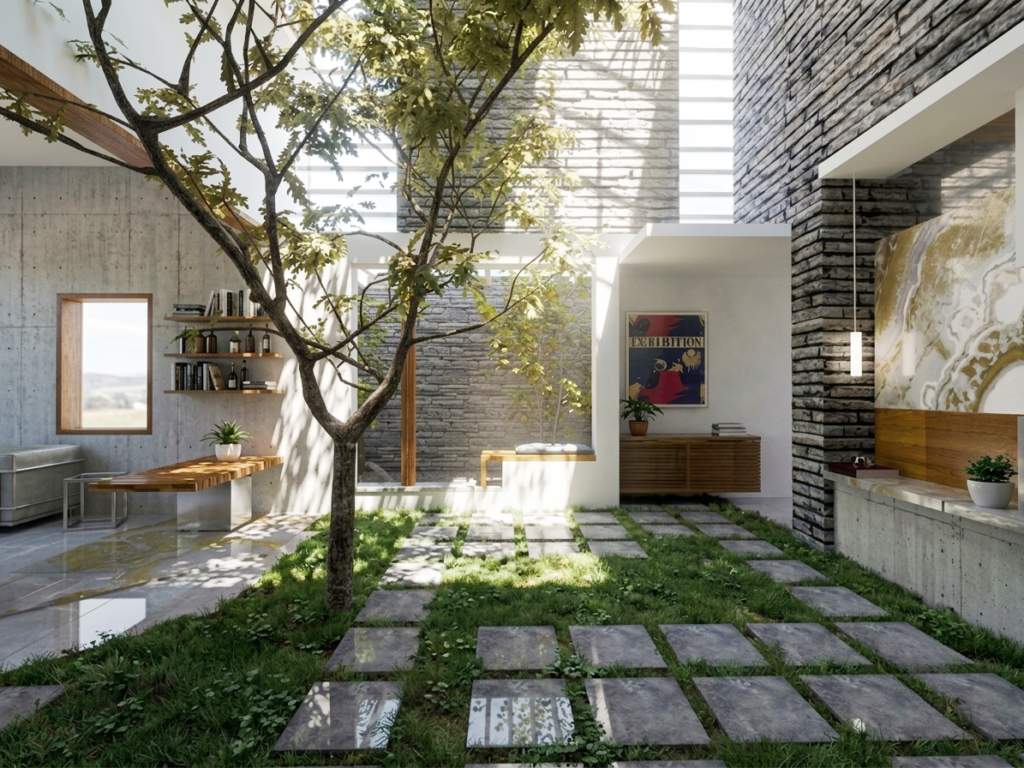
A contractor builds what’s specified. An architect decides what should be built, and why, before a single brick moves—how light moves through a room, how spaces relate to each other, how the home will actually feel to live in five years from now, not just look like on day one. Design is a discipline in itself. Treat it like one.
“We just took our stuff and moved in. We were too tired for anything else.”
I told her — a phone call away, and she should have called me first ; but that’s what stayed with me. Building a home is one of the most regulated, well-documented processes there is. Every state has codes, every city has building bye-laws, every material has a spec sheet. And yet it remains an industry where who you know decides how well you’re treated far more than it should — and where design, the one thing that actually shapes how a home feels to live in, is often the first thing people skip or shortchange.

So, here’s the FAQ I wish existed before that lunch
A contractor builds what’s specified. An architect decides what should be built, and why, before a single brick moves — how light moves through a room, how spaces relate to each other, how the home will actually feel to live in five years from now, not just look like on day one. Many contractors offer to design because it keeps the whole job in one hand, not because design is what they’re trained to do. Design is a discipline in itself. Treat it like one.
In short — if you’re willing to adjust your life and lifestyle around the building, a contractor-designed home can work. If you want the building shaped around your life and lifestyle, go with an architect-designed one.
Architect — thinks through the structure, spatial layout, and how the whole home is designed to work, in compliance with building codes.
Interior designer — carries that design thinking into finishes, furniture, materials, and mood within the built space.
Contractor — executes what’s been designed: procurement, labour, site execution.
In short —They can sit within one studio. They should never blur into one undifferentiated role by default — ask explicitly who is actually designing, and who is only building.
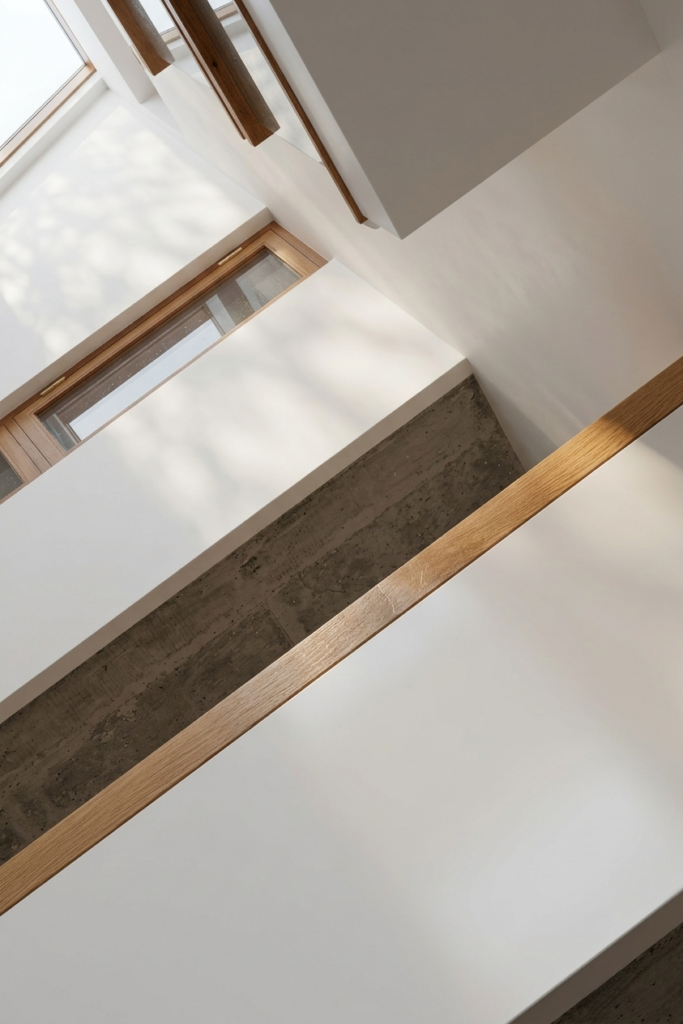
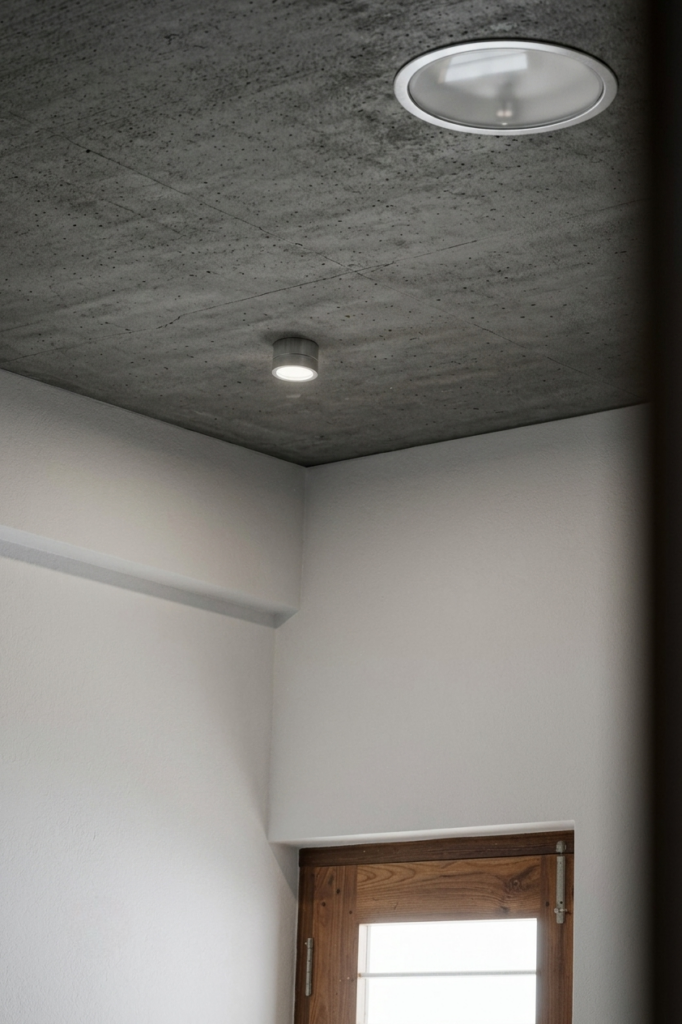
All architects are individually certified professionals registered with the Council of Architecture, India. Much like doctors or lawyers, they hold a license under their own name, not just their firm’s.
So if all of this still feels like too much to navigate, here’s the simple way around it: ask to speak directly with a registered, certified architect. They’re trained to give you the answers you actually need, not necessarily the reassuring ones. Even if you’re working with a larger single-banner firm, you can still insist on consulting the architect directly, so you get a genuine professional take alongside the rest of the advice.
In larger studios, the person who impresses you in the first meeting isn’t always who ends up handling the daily design decisions. It’s a completely fair question to ask early — who your actual point of contact will be, and whether the lead designer stays involved through the project, not just at the pitch stage.
Yes. What it requires is a design team that documents thoroughly — drawings, walkthroughs, written approvals at every stage — and someone you trust locally for decisions you can’t make remotely. The failure mode isn’t distance, it’s the absence of a clear design process to follow from wherever you are.
Before, if at all possible. A designer can tell you things about a plot — orientation, soil, setback rules, how much can actually be built there — that change what’s even possible to design. Buying first and designing after means designing around constraints you didn’t know existed.
Timelines given at the first meeting are usually aspirational, not designed. A real timeline comes out of an actual design and execution plan — stages, dependencies, approvals. If nobody has shown you that sequence, you don’t have a timeline. You have a guess.
Vaastu is not part of any mandatory building or any state bye-laws and that is for a reason. A good designer treats it as part of the client-specific brief , works with it, explains where it sits against light, ventilation, and structure, and lets you make an informed call. Anyone who enforces it blindly / mocks it outright, or refuses to explain it through reason, is skipping a conversation you deserve to have.
In short , No, Vaastu is not compulsory, and choosing a non-Vaastu layout will not bring trouble to your home. What actually causes long-term issues in a building is poor structural engineering, lack of natural light, dampness from bad ventilation, and cramped spatial planning. As for whether a modern designer will dismiss it ….. a thoughtful architect won’t and will empower you with sufficient reason to choose better.
Be careful here. It’s one of the more common traps in the industry. A firm that bundles design and build — and offers design free, or at a token rate, to win the build contract — has little incentive to design well. Design becomes a loss-leader; decisions quietly start favouring what’s easier to build over what’s actually right for the space. If design is being given away, it’s worth asking why. A studio that respects design will show you what real thinking looks like, not just hand you a floor plan to get to the build.
Not automatically, but it deserves the same scrutiny. When design and build sit in the same hands and the same P&L, the same conflict can creep in from either direction — decisions quietly shaped by what’s easier to construct, rather than what the space needs. It doesn’t mean every architect who also builds is compromised. It means it’s fair to ask, plainly: who is deciding the design, and does anyone benefit from that design being simpler to build?
Trust them for mood, not for promise. Renders sell light and atmosphere; they don’t always reflect what’s been genuinely thought through versus dressed up to impress. Ask to see the thinking behind a project — the sketches, the plans, the reasoning — not just the final image.
Look at completed, lived-in work. Ask a studio to walk you through why a past project looks the way it does – what problem the design was solving, what real-world constraints shaped it. Yes, site challenges happen, and they demand expert solutions. Anyone who promises a completely problem-free process isn’t being authentic with you. Real design conviction shows up as specific answers. Vague ones usually mean not much thinking happened in the first place.
Almost all of it. Interiors fail for the same reason full builds do – design treated as decoration ; after thought added at the end, rather than thought through from the start or promises not grounded in reality are all red flags to watch for , whether you are planning a ground-up construction or an interior space.
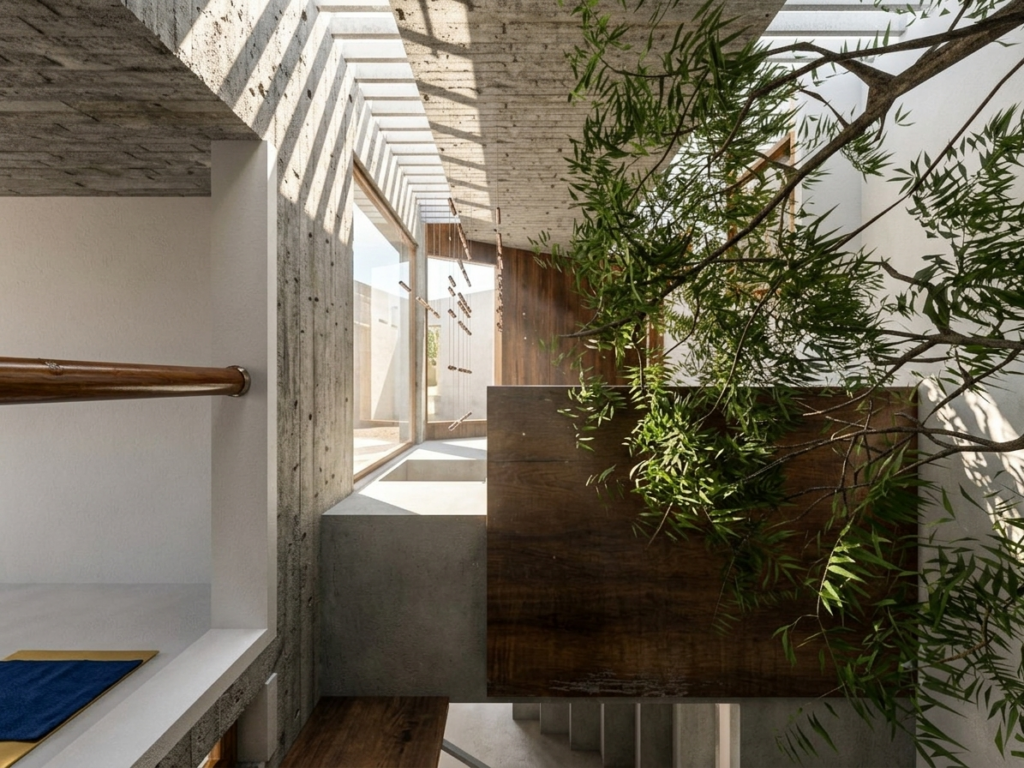
“Walk me through how you’d think about designing my space — not just what it would look like.”
A vague answer, or one that jumps straight to materials, tells you design isn’t really what’s on offer.
Absolutely , keep it simple. All architects are individually certified professionals from the central architectural council , India . Just like doctors or laweyers they have a license under their individual name. So, If you still are at bay , feel overwhelmed, ask to speak and consult with a registered certified architect. They are ethically bound to give you the answers you need, not neccesarily the rosy ones. If you do decide to work with a single banner firm , then too, you can insisit to consult and speak to the architect so you can have a professional take with the advice.
If you’re reading this from somewhere far from home, mid-decision, mid-anxiety, or mid-story of your own — good design, thought through properly from the start, is the difference between that five-episode saga and a home you actually enjoy the day you move in. A phone call early is worth more than a rescue call at the end.